
Academic excellence has always been considered the primary measure of a student’s success. Parents often focused on report cards, board examination scores, and class rankings while overlooking another equally important aspect of education – co-curricular activities.
However, education today has evolved beyond textbooks and examinations. The world students are preparing to enter demands creativity, collaboration, leadership, communication, emotional intelligence, adaptability, and critical thinking. These qualities are rarely developed through classroom instruction alone.
This is why leading CBSE schools in Faridabad today place equal emphasis on academics and co-curricular learning.
At Homerton Grammar School, the best CBSE school in Faridabad, education is designed to nurture every dimension of a child’s personality. The school believes that learning does not stop when students leave the classroom. Whether they are on the sports field, in the robotics lab, on stage, or participating in a debate, every experience contributes to their overall growth. Let’s understand why co-curricular activities have become an essential part of modern education.
What are co-curricular activities?
Co-curricular activities are structured learning experiences that complement classroom education. They help students in every school in Faridabad apply their knowledge, discover new interests, and develop essential life skills.
These activities include:
- Sports
- Music
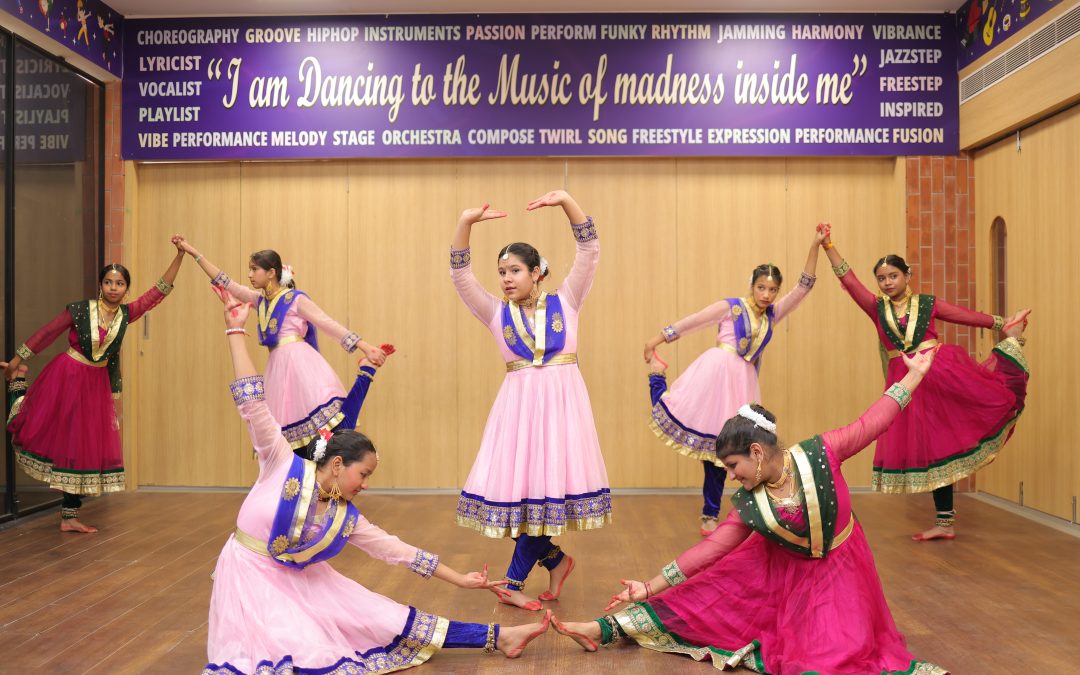
- Dance
- Theatre
- Art
- Robotics
- Coding
- Public speaking
- Debate
- Quiz competitions
- Model United Nations (MUN)
- Science exhibitions
- Leadership programmes
- Community service
- Literary clubs
- Photography
- Entrepreneurship activities
Rather than distracting students from academics, these experiences enhance their learning journey.
Why are academics alone no longer enough?
Today’s employers and universities are looking for much more than academic scores.
They seek students who can:
- Solve problems creatively
- Communicate effectively
- Lead teams
- Think critically
- Adapt to change
- Work collaboratively
- Handle pressure
- Learn continuously
These are skills developed through practical experiences, not memorisation.
A child who scores well but struggles to communicate, collaborate, or make decisions may find it difficult to succeed in today’s dynamic world.
CBSE’s emphasis on holistic education
The CBSE curriculum has gradually shifted towards holistic education, recognising that every child possesses unique strengths beyond academics.
Modern CBSE education encourages top 10 schools in Faridabad to focus on:
- Experiential learning
- Skill development
- Sports education
- Art integration
- Life skills
- Physical education
- Vocational exposure
- Critical thinking
The objective is to prepare students not just for examinations but for life. Homerton Grammar School, the best school in Faridabad, aligns with this philosophy by creating opportunities that encourage students to grow intellectually, physically, emotionally, socially, and creatively.
Co-curricular activities build confidence
One of the biggest benefits of participating in co-curricular activities is confidence.
When students do the following, they begin believing in themselves:
- Perform on stage
- Win a sports match
- Present a project
- Lead a team
- Speak before an audience
This confidence eventually reflects inside classrooms as well. Students participate more actively. They ask questions. They become comfortable expressing their ideas. Confidence built outside academics often improves academic performance too.
Sports teach lessons that books cannot
Sports remain one of the most valuable co-curricular experiences. Beyond physical fitness, sports teach:
- Discipline
- Leadership
- Teamwork
- Patience
- Time management
- Perseverance
- Respect
- Decision-making
Students learn how to:
- Win gracefully
- Accept defeat positively
- Support teammates
- Stay committed to goals
At Homerton Grammar School, a top school in Faridabad, students have opportunities to participate in multiple indoor and outdoor sports, helping them discover talents while building character.
Performing arts develop emotional intelligence
Music, dance, drama, and theatre contribute significantly to emotional development.
Students participating in performing arts learn:
- Self-expression
- Creativity
- Confidence
- Emotional awareness
- Communication
- Stage presence
They overcome fear, improve body language, and develop stronger interpersonal skills. Dedicated music and dance studios at Homerton Grammar School provide students with opportunities to nurture these creative abilities from an early age.
Robotics and STEM encourage innovation
The future belongs to innovators. Through robotics, coding, Artificial Intelligence, and STEM education, students develop:
- Logical reasoning
- Analytical thinking
- Creativity
- Problem-solving
- Computational thinking
These experiences help children become creators rather than just consumers of technology. Homerton Grammar School integrates robotics and AI into student learning, preparing learners for tomorrow’s technology-driven world.
Public speaking creates future leaders
Communication remains one of the most important skills in any profession.
Activities like:
- Debates
- Elocutions
- Anchoring
- Presentations
- MUNs
- Group discussions
Help students:
- Speak confidently
- Organise thoughts
- Persuade audiences
- Listen respectfully
- Build leadership qualities
Students who communicate effectively often excel in higher education and professional life.
Co-Curricular activities improve academic performance
Contrary to popular belief, students involved in co-curricular activities often perform better academically.
Why?
Because these activities improve:
- Concentration
- Memory
- Time management
- Discipline
- Motivation
- Emotional balance
Physical activity also reduces stress and improves mental well-being, allowing students to focus better during lessons.
Leadership is learned through experience
Leadership cannot be memorised. It is developed through participation.
Student councils, house systems, event management, sports teams, and club activities teach children how to:
- Make decisions
- Resolve conflicts
- Delegate responsibilities
- Manage teams
- Take initiative
Homerton Grammar School, known amongst CBSE schools in Faridabad Haryana encourages students to step into leadership roles through various academic and extracurricular platforms.
Creativity drives innovation
The future demands original thinkers. Creative activities such as the ones below encourage students to imagine, innovate, and express themselves:
- Art
- Design
- Photography
- Creative writing
- Theatre
- Music
Creativity benefits every profession – from engineering to entrepreneurship.
Emotional well-being matters
Children face increasing academic and social pressures today. Co-curricular activities provide healthy outlets for:
- Stress management
- Emotional expression
- Friendship
- Recreation
- Self-discovery
A balanced educational environment supports both academic success and mental well-being.
Discovering hidden talents
Many students discover lifelong passions outside traditional classrooms.
A child may discover:
- A love for coding
- Talent in theatre
- Interest in robotics
- Passion for athletics
- Leadership potential
- Artistic abilities
These discoveries often shape future careers. Without co-curricular opportunities, many talents remain unexplored.
Developing real-life skills
Modern education must prepare students for life.
Co-curricular experiences develop:
- Communication: Students learn to express ideas confidently
- Collaboration: Group activities teach teamwork
- Adaptability: Students learn to handle changing situations
- Critical Thinking: Competitions encourage strategic thinking
- Problem Solving: Projects require innovative solutions
- Responsibility: Leadership activities build accountability.
These skills remain valuable throughout life.
Building strong friendships
Many lifelong friendships begin through sports teams, music groups, clubs, and cultural events.
Students interact with peers beyond classrooms, improving:
- Social confidence
- Empathy
- Cooperation
- Respect for diversity
These experiences contribute to healthy emotional development.
Preparing students for competitive universities
Leading universities increasingly evaluate students beyond academic scores.
Admissions often consider:
- Leadership experience
- Sports achievements
- Community service
- Research projects
- Creative accomplishments
- Innovation
A well-rounded student profile creates stronger opportunities both in India and internationally.
How Homerton Grammar School promote holistic development?
Homerton Grammar School believes that every child deserves opportunities to grow beyond textbooks.
Students benefit from:
Sports Academies: Professional coaching across multiple sports encourages discipline and fitness.
Robotics and AI: Future-focused learning develops innovation and technology skills.
Music and Dance: Creative expression builds confidence and emotional intelligence.
Literary Activities: Debates, quizzes, storytelling, and public speaking strengthen communication.
Science and Innovation: Laboratories and exhibitions encourage experimentation and inquiry.
Leadership Opportunities: Student-led initiatives nurture responsibility and decision-making.
Cultural Programmes: Annual events, performances, and celebrations help students showcase their talents.
Every activity complements classroom learning, creating confident and capable learners.
Parents play an important role
Parents should encourage children to:
- Explore interests.
- Participate actively.
- Try new activities.
- Celebrate effort rather than only achievements.
Supporting co-curricular participation helps children develop confidence and resilience.
Education becomes richer when parents value holistic growth alongside academic excellence.
The Homerton philosophy
At Homerton Grammar School, success is not measured only by report cards. The school believes education should develop:
- Curious minds
- Healthy bodies
- Compassionate hearts
- Creative thinkers
- Responsible citizens
- Confident leaders
Every classroom lesson, sports session, robotics activity, cultural programme, and leadership opportunity contributes to this vision.
Conclusion
Academic excellence will always remain important.
But academics alone cannot prepare children for the complexities of tomorrow’s world.
The leaders, innovators, entrepreneurs, scientists, artists, and professionals of the future will need far more than subject knowledge.
They will need confidence.
Communication.
Creativity.
Leadership.
Empathy.
Resilience.
These qualities are nurtured through meaningful co-curricular experiences.
At Homerton Grammar School, co-curricular activities are not viewed as an “extra.” They are an essential part of education, helping students become well-rounded individuals who are prepared not only to excel in examinations but also to succeed in life.
Because the true purpose of education is not simply to help children score marks – It is to help them discover their potential, pursue their passions, and become the very best version of themselves.