

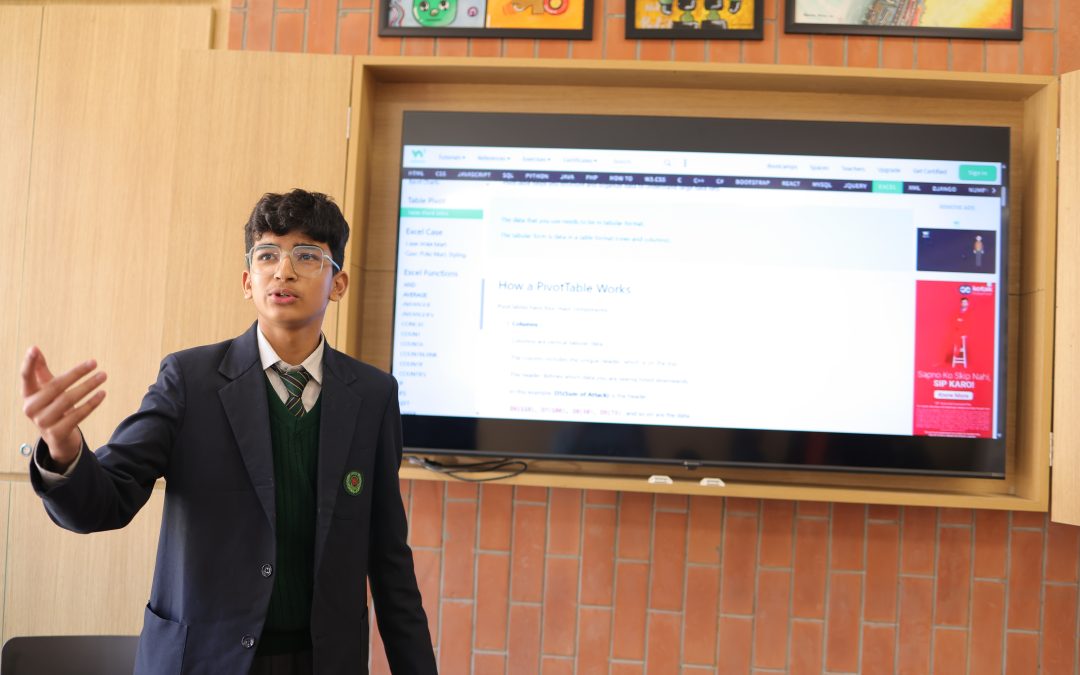
Why every child needs more than just good board exam results?
For many parents, good board exam results are one of the most important factors when choosing a school. Good marks can open doors to competitive courses, colleges and future opportunities. However, academic scores are only one part of a child’s overall development. A...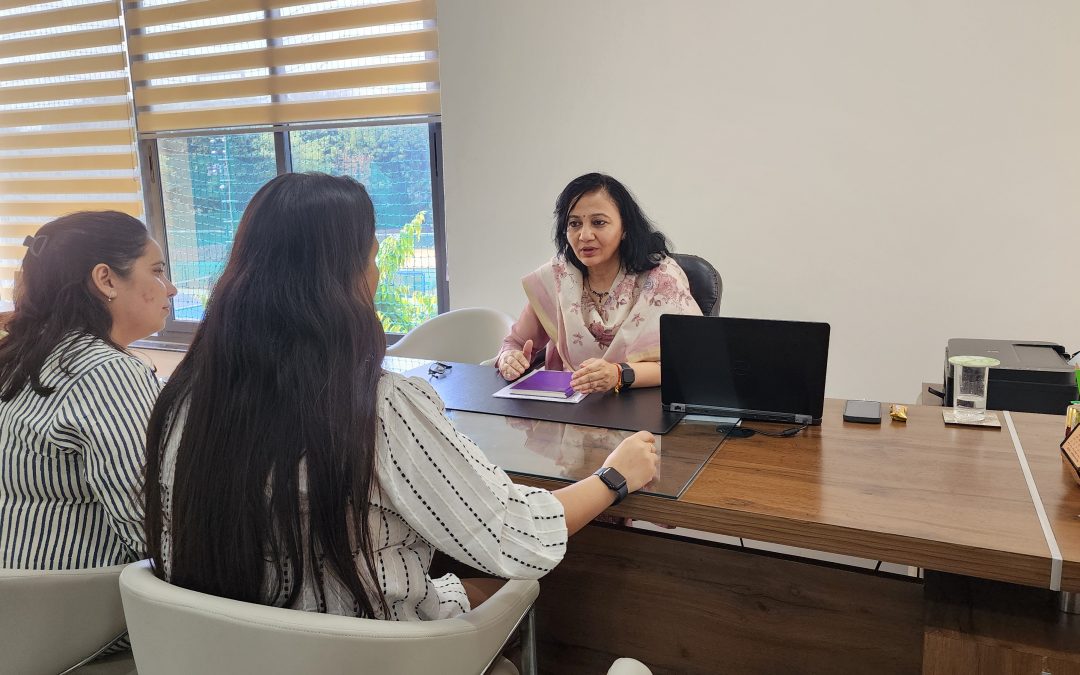
Questions to Ask a School Principal Before Admission
A school is not simply a place where students attend classes and take examinations. It is an environment where children spend a significant part of their formative years, develop relationships, discover their interests, build confidence and acquire skills that can...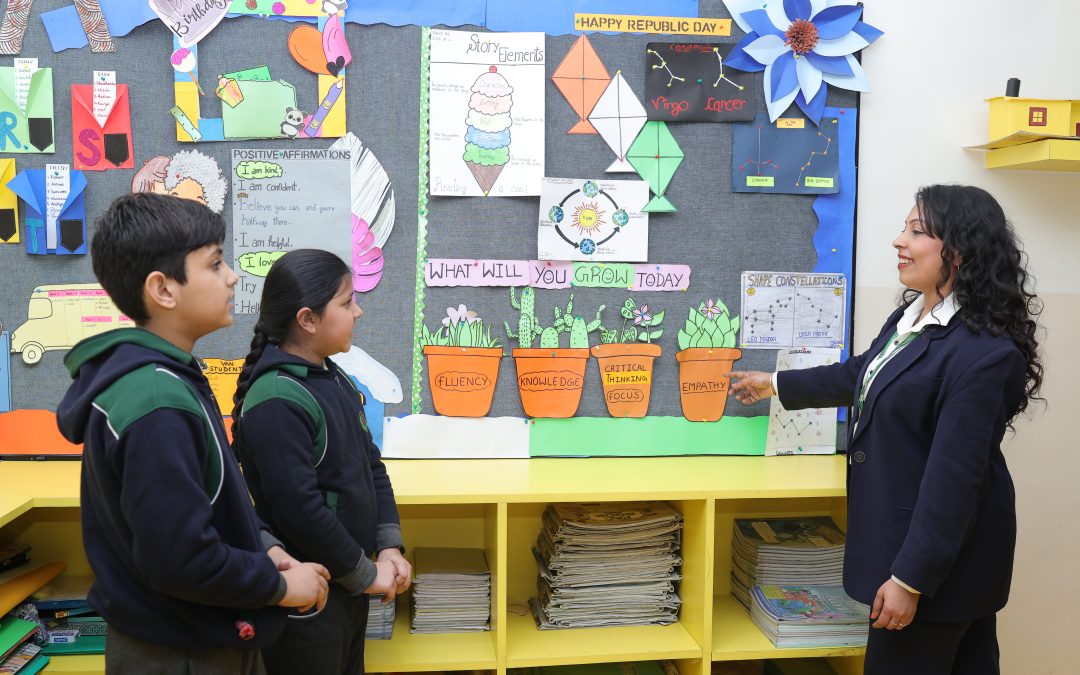
Why communication and collaboration are essential skills for future careers?
The world of work is changing rapidly. New technologies, artificial intelligence, evolving industries, and global workplaces are transforming the skills young people need to succeed. While academic knowledge remains important, employers increasingly value something...How schools can help students develop confidence?
Confidence is an important part of a child’s overall development. A confident student is more likely to participate in classroom discussions, ask questions, try new activities, communicate ideas and learn from mistakes. Confidence can also help children navigate...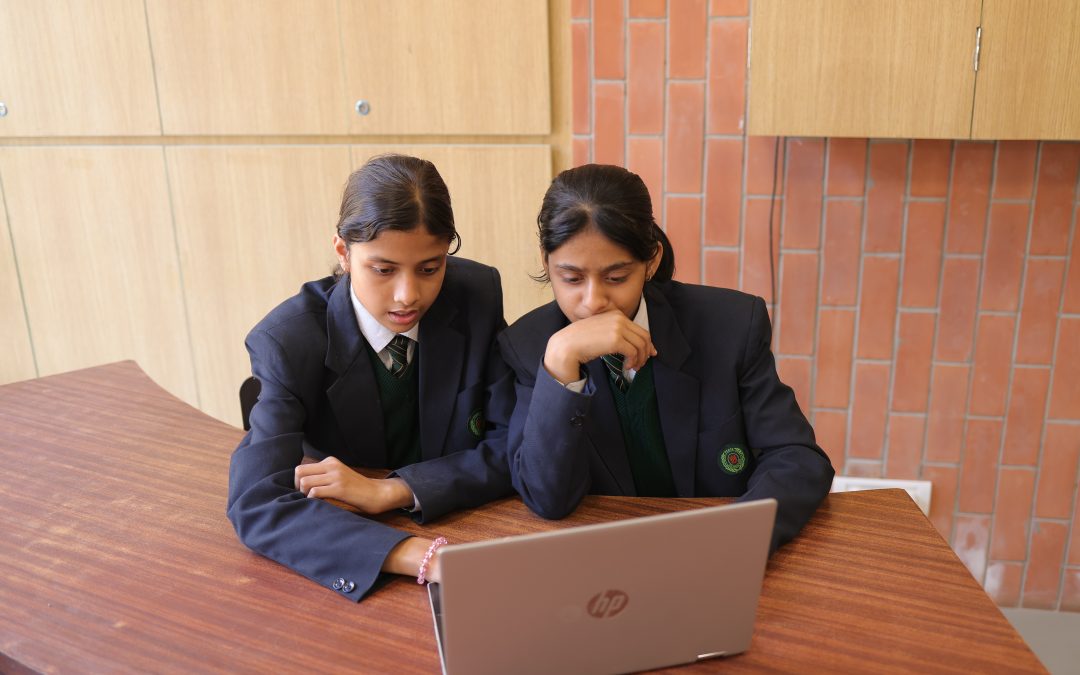
Choosing the right school for Class 11: Science, Commerce or Humanities?
Class 11 is an important transition in a student’s academic journey. After completing Class 10, students begin to move towards specialised subject combinations that can influence their learning experience in Classes 11 and 12 and help them explore potential...How parents can encourage reading habits in children?
Reading is one of the most valuable habits parents can nurture in children. It can improve vocabulary, strengthen communication skills, encourage imagination and help children develop the ability to understand different ideas and perspectives. More importantly,...How experiential learning makes education more effective?
Education is most effective when children do more than simply listen, read and memorise. When students get opportunities to experience, explore, experiment and apply what they learn, concepts can become more meaningful and engaging. This approach is known as...