
While academics, board results, infrastructure, sports and extracurricular activities are often high on the list of priorities, school safety should be equally important. For parents searching for a safe school in Faridabad, the question is not simply whether a school has security guards at the entrance. A genuinely safe school requires a comprehensive approach that considers physical security, student supervision, emergency preparedness, transportation, health and hygiene, digital safety and the emotional well-being of children.
Children spend a significant part of their day at school. Parents therefore need confidence that their child is learning in an environment where safety is treated as an everyday responsibility rather than an occasional concern.
At Homerton Grammar School, safety and student well-being form an important part of the school environment. For parents evaluating schools in Faridabad, understanding the different layers of school security can help them make a more informed decision.
Why does school safety matter when choosing a school?
A school is more than a building where students attend classes. It is a community where children learn, play, travel between classrooms, participate in activities, use laboratories, interact with peers and take part in sports and events. Each of these environments requires appropriate safety measures.
A secure school should therefore have systems that help protect children throughout their school day — not just when they enter or leave the campus.
Parents should consider questions such as:
- Who is allowed to enter the school campus?
- How are visitors verified?
- How are students supervised?
- What emergency procedures are in place?
- How are children protected during sports and laboratory activities?
- What safety measures are followed on school transport?
- How does the school respond to health emergencies?
- How does the school address bullying and student well-being?
- How are parents informed during emergencies?
These questions can reveal much more about a school’s safety culture than simply looking at the presence of security guards.
1. Secure school entry and exit
One of the first things parents should examine is how a school controls access to its campus. A well-managed school should have clear entry and exit procedures for students, staff, parents, visitors and vendors.
Schools may use measures such as:
- Security personnel at entry points
- Visitor verification
- Visitor registers or digital entry systems
- Controlled access to academic areas
- Identity checks
- Designated entry and exit gates
- Authorised student pick-up procedures
The purpose is to ensure that people entering the campus are appropriately identified and that unauthorised access is restricted. Parents visiting a school can observe how the security team manages entry. Is the process organised? Are visitors asked for identification? Are students released only to authorised individuals? These practical observations can provide valuable insight into the school’s security culture.
2. CCTV surveillance
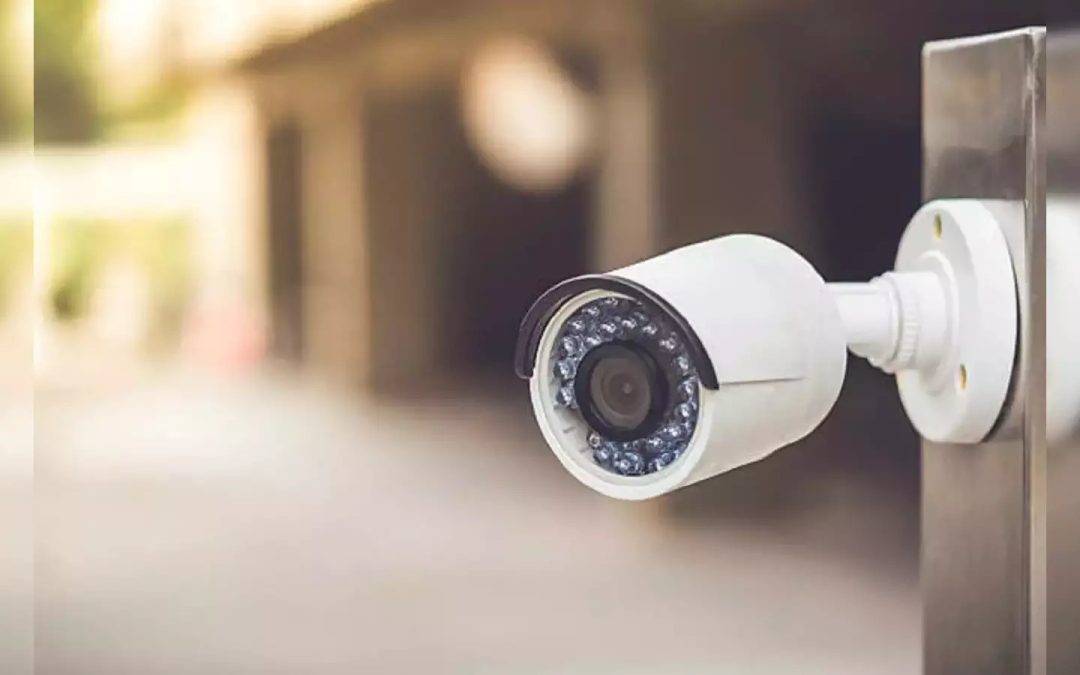
CCTV surveillance can play an important role in campus security. Cameras placed at appropriate locations can help schools monitor common areas and identify unusual activity.
Parents should ask about CCTV coverage in areas such as:
- Entrances and exits
- Corridors
- Common areas
- Activity zones
- Parking areas
- School boundaries
However, surveillance should always be implemented with appropriate privacy considerations. CCTV is not a substitute for responsible supervision. It should complement trained staff, clearly defined safety procedures and active monitoring.
3. Trained security personnel
Security personnel are often the first point of contact at a school entrance. Parents should consider whether security staff appear trained, attentive and familiar with school procedures. Effective school security involves more than simply having someone at the gate. Security personnel should understand visitor management, emergency protocols and procedures for dealing with unexpected situations. The presence of trained personnel can contribute to a safer and more organised campus environment.
4. Student supervision
Children require supervision throughout the school day. Safety does not stop when a student enters the classroom. Students move between classrooms, laboratories, sports areas, activity rooms, libraries, cafeterias and other spaces. Schools should therefore have appropriate supervision systems for different parts of the campus.
Parents can ask:
- Who supervises students during breaks?
- How are students monitored during sports?
- Are younger students supervised during transitions?
- How are students supervised during school events?
- What happens when students remain on campus after regular classes?
These details can help parents understand how seriously a school approaches everyday safety.
5. Safety in sports facilities
Sports are an important part of a child’s development, but physical activities also require appropriate precautions. A school with extensive sports infrastructure should have clear safety practices around sports participation.
These may include:
- Qualified coaches
- Proper supervision
- Appropriate sports equipment
- Well-maintained playing surfaces
- First-aid availability
- Warm-up and cool-down practices
- Age-appropriate activities
- Emergency response procedures
At Homerton Grammar School, students have access to a wide range of sporting opportunities, including cricket, football, badminton, lawn tennis, gymnastics, athletics, table tennis and pickleball. For parents, the important question is not simply how many sports a school offers, but how responsibly these activities are conducted.
6. Laboratory safety
Science laboratories provide valuable hands-on learning experiences, but they also require specific safety protocols. Students may work with laboratory equipment, chemicals, glassware and electrical instruments. Schools should therefore have appropriate rules governing laboratory use. Teachers should explain safety procedures before practical activities, and students should be supervised while experiments are being conducted.
Parents can ask whether laboratories have:
- Appropriate safety equipment
- Teacher supervision
- Clear laboratory rules
- First-aid provisions
- Emergency procedures
- Safe storage arrangements
Good laboratory safety allows students to benefit from experiential learning while reducing avoidable risks.
7. Fire safety and emergency preparedness
Every school should have a clear plan for responding to emergencies. Fire safety is one of the most important areas parents should consider. Schools should have appropriate fire-safety equipment and clearly defined evacuation procedures. More importantly, students and staff should know what to do during an emergency. Regular drills can help students understand evacuation procedures and reduce confusion during an actual emergency.
Parents can ask:
- Are fire drills conducted?
- Are emergency exits clearly identified?
- Are evacuation routes accessible?
- Do staff know their responsibilities?
- Are emergency procedures communicated to students?
Emergency preparedness should cover more than fire incidents. Schools should also have procedures for responding to medical emergencies, natural events and other unforeseen situations.
8. Medical and first-aid facilities
Children can become unwell or experience minor injuries during the school day. A school should therefore have appropriate arrangements for responding to health emergencies.
Parents can ask whether the campus has:
- A dedicated infirmary or medical room
- First-aid supplies
- Trained staff
- Emergency contact information
- Procedures for contacting parents
- Arrangements for serious medical emergencies
The school should also maintain appropriate records and communication protocols for students with specific health requirements. Having a well-organised medical response system can provide parents with additional peace of mind.
9. Safe drinking water and hygiene
School safety also includes everyday health and hygiene. Children need access to clean drinking water and hygienic facilities throughout the day.
Parents should observe:
- Cleanliness of washrooms
- Drinking-water facilities
- Waste disposal
- Classroom hygiene
- Food service areas
- General campus maintenance
A clean environment can contribute to student well-being and help create healthy daily habits. Schools should also educate children about personal hygiene and responsible behaviour.
10. Safe school transportation
For children who travel by school bus, transportation safety is an important consideration.
Parents should ask about:
- Driver verification and training
- Bus attendant arrangements
- Vehicle maintenance
- Student boarding and drop-off procedures
- Emergency contacts
- Route monitoring
- Speed and traffic-safety practices
- Procedures for authorised pick-up
Parents should also understand how the school handles changes to a child’s regular transportation arrangements. Clear communication between parents, transport staff and the school can help minimise confusion.
11. Pick-up and drop-off procedures
The beginning and end of the school day can be particularly busy. Multiple vehicles, buses, parents and students may arrive or leave at the same time. A well-organised school should have clear procedures to manage this movement. Designated areas, staff supervision and controlled student release can help create a safer environment. Parents can observe the process during a school visit. Is traffic organised? Are students supervised? Are children released systematically? These everyday details matter.
12. Child Protection and safeguarding
Physical security is only one part of school safety. Schools also have a responsibility to create an environment where children feel protected and respected. Child safeguarding should include clear policies regarding appropriate behaviour, staff conduct, student interactions and reporting mechanisms. Students should know whom they can approach if they feel uncomfortable or unsafe. Staff should also understand their responsibilities regarding student protection. For parents, it is appropriate to ask a school about its child-protection policies and how concerns are reported and addressed.
13. Anti-bullying measures
Bullying can significantly affect a child’s emotional well-being. A safe school environment should therefore address bullying proactively.
Schools can help by:
- Establishing clear behaviour expectations
- Educating students about respectful behaviour
- Encouraging students to report concerns
- Training staff to recognise warning signs
- Providing appropriate counselling support
- Maintaining communication with parents
The goal should be to create a culture where students feel comfortable seeking help.
14. Emotional and mental well-being
A child’s safety also includes emotional well-being. Academic pressure, friendship challenges, transitions and other experiences can affect children differently. Schools should provide supportive environments where students can discuss concerns with trusted adults. Counselling and mentoring can help students develop healthy coping mechanisms and confidence. Parents looking for a school in Faridabad should therefore ask not only about physical security but also about student support systems. A child who feels heard, respected and supported is more likely to approach adults when they need help.
15. Digital safety
Children increasingly use technology for learning and communication. This creates another dimension of school safety: digital safety. Students need to understand responsible technology use, privacy, cyberbullying, online communication and appropriate digital behaviour. Schools can support students by teaching digital citizenship and helping them understand that online actions can have real-world consequences. Technology education should therefore include responsible use, not simply technical skills.
16. Safety during school events
Schools regularly organise sports competitions, cultural programmes, exhibitions, celebrations and other events. Large events require additional planning.
Schools should consider:
- Entry management
- Visitor identification
- Student supervision
- Crowd movement
- Emergency access
- Medical arrangements
- Transport coordination
- Communication procedures
Parents attending school events can often observe these arrangements directly. An organised event generally reflects careful planning behind the scenes.
17. Safety in outdoor activities and field trips
Learning can extend beyond the school campus through educational visits and field trips. These activities can provide valuable experiential learning, but they require careful planning.
Parents should ask about:
- Student-to-adult supervision
- Transportation
- Emergency contacts
- Venue assessment
- Medical arrangements
- Attendance and headcount procedures
- Communication with parents
The objective is to allow children to explore and learn while maintaining appropriate safety measures.
18. Staff training and safety awareness
Even the best safety infrastructure is only effective when staff understand how to use it. Teachers, administrative employees, security personnel, coaches and support staff all have roles to play in maintaining a safe school environment. Training can help staff respond consistently to emergencies and student concerns. Parents can ask whether staff receive regular training in areas such as first aid, emergency response, child protection and school safety procedures.
19. Communication between school and parents
Good communication is a crucial part of school safety. Parents should know how the school communicates important information.
This could include:
- Emergency notifications
- Transport updates
- Event information
- Health-related concerns
- Attendance issues
- Changes in schedules
- Student well-being concerns
Clear communication can help parents respond quickly when necessary. It also builds trust between families and the school.
20. Why should parents visit a school before admission?
Websites and brochures can provide useful information, but nothing replaces a campus visit. When visiting a school, parents should observe the environment carefully.
Look at:
- Campus entry and exit
- Security procedures
- Classroom supervision
- Sports facilities
- Laboratories
- Washrooms
- Medical facilities
- Transportation arrangements
- Student behaviour
- Overall cleanliness
Parents can also speak with school representatives and ask specific questions about safety. A campus visit can help families understand whether the school’s approach aligns with their expectations.
School safety at Homerton Grammar School
For families searching for a safe CBSE school in Faridabad, Homerton Grammar School places importance on creating a secure and supportive environment for students. Located in Sector 21A, the school combines academics with sports, technology, arts and other activities within a structured campus environment. Its facilities include classrooms, laboratories, sports areas, activity spaces, a library and an infirmary.
The school’s broad approach to student development means safety needs to be considered across multiple environments—from classrooms and laboratories to sports grounds and school events. For parents, the most important step is to understand the school’s current safety procedures directly during a campus visit and admission interaction.
A school safety checklist for parents
Before choosing a school, parents can use this simple checklist:
- Campus Security
- Is the campus access controlled?
- Are visitors verified?
- Are entry and exit procedures organised?
- Is security staff present?
- Surveillance
- Are important campus areas monitored?
- Is CCTV used appropriately?
- Are privacy considerations addressed?
- Emergency Preparedness
- Are fire-safety systems available?
- Are evacuation procedures established?
- Are drills conducted?
- Are staff trained?
- Medical Support
- Is there an infirmary or medical room?
- Is first aid available?
- Are emergency contacts maintained?
Sports safety
- Are sports supervised by qualified coaches?
- Are facilities maintained?
- Are first-aid arrangements available?
Transportation
- Are drivers and vehicles appropriately monitored?
- Are students supervised during transportation?
- Are pick-up and drop-off procedures clear?
Child protection
- Does the school have safeguarding procedures?
- Is there a clear reporting mechanism?
- Are students encouraged to speak up?
Emotional well-being
- Is counselling available?
- Do students have trusted adults they can approach?
- Does the school address bullying?
Digital safety
- Are students taught responsible technology use?
- Is digital citizenship part of student education?
Final thoughts: Safety should be part of the school’s culture
School safety is not defined by a single security guard, CCTV camera or boundary wall. It is a combination of people, processes, infrastructure, supervision, training, communication and student awareness. For parents searching for the right school in Faridabad, safety should therefore be considered alongside academics, infrastructure, sports, extracurricular activities and personalised attention. A good school should provide children with the confidence to learn, explore, participate and grow while giving parents peace of mind about their well-being.
At Homerton Grammar School, the aim is to create an environment where students can pursue academic learning, sports, technology, arts and other activities within a supportive school community. Ultimately, the right school is one where children feel safe enough to learn, confident enough to participate and supported enough to grow. For parents exploring schools in Faridabad, a campus visit, conversation with the school and a closer look at its safety practices can be the best way to make an informed decision.